5 Reasons to Understand the Distinctions Between Traditional Cremation Services and Traditional Burial Services Serving Greater Southern California
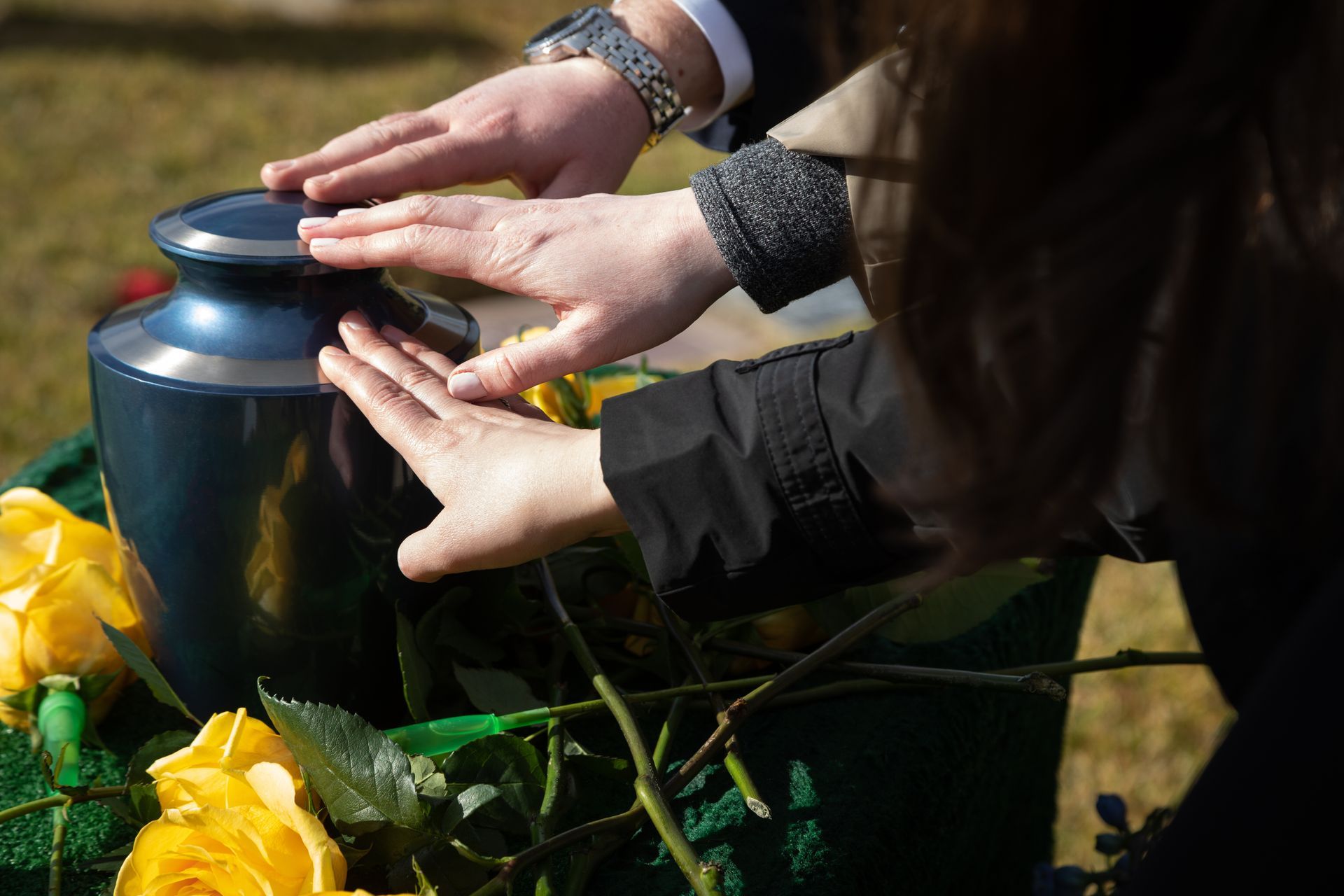
When families face the loss of a loved one, the immediate need for clarity often clashes with the emotional weight of decision-making. The uncertainty regarding which path to take can create unnecessary stress during an already difficult time. Many individuals feel overwhelmed by the lack of information available on local practices, leading to choices that may not fully align with their values or financial situation. By understanding the specific distinctions between available options, families can move forward with confidence, ensuring that the final farewell honors the deceased in a meaningful way while respecting the needs of the living.
This guide explores the essential factors to consider when evaluating these significant choices:
1. Understanding the Fundamental Process Differences
The most immediate distinction lies in the physical handling of remains and the timeline of events. Traditional burial typically involves preparing the body for viewing, placing it in a casket, and interring it in a cemetery plot. This process often requires a longer timeframe due to the logistics of securing a grave site and coordinating with a funeral home and cemetery. In contrast, the approach taken for traditional cremation services focuses on reducing the remains to bone fragments through high-temperature incineration.
This method allows for greater flexibility in scheduling memorial services, as the family can choose to hold a gathering before or after the cremation takes place. The choice between these two paths fundamentally alters the structure of the final days and weeks following a death, impacting everything from the duration of the funeral home visit to the location of the final resting place.
Furthermore, the preparation phase differs significantly between the two methods. Burial usually necessitates embalming if there is a public viewing, which adds another layer of procedure and cost. While cremation does not strictly require embalming unless there is a delayed service or public viewing, it offers a more streamlined process for those who prefer simplicity. This difference in workflow can be comforting for families who wish to minimize the number of formalities required during a period of grief.
2. Financial Implications and Budget Considerations
Cost is frequently a primary factor in determining the type of service a family selects. Traditional burial generally incurs higher expenses due to the costs associated with purchasing a casket, a vault or liner, a cemetery plot, and a headstone or marker. Additionally, there are ongoing fees for the maintenance of the gravesite, which can add up over decades. Conversely, traditional cremation services tend to be more budget-friendly because they eliminate the need for a burial plot, a casket, and a vault. While families can still opt for premium urns or elaborate memorial displays, the baseline cost is significantly lower. This financial difference allows families who are managing tight budgets to allocate resources toward other important aspects of the memorial or to simply reduce the financial burden on surviving relatives.
It is also worth noting that burial plots in densely populated areas like Orange County can appreciate in value, but the initial outlay is substantial. Families must consider not just the immediate costs but also the long-term financial commitment. Traditional cremation service removes the requirement for land ownership, which can be a relief for those concerned about future property taxes or maintenance fees. This economic efficiency does not mean a reduction in dignity; rather, it shifts the funds toward personalization, such as higher-quality memorial products or charitable donations in the name of the deceased.
3. Memorial Options and Flexibility
Another critical area of divergence is the flexibility offered regarding where and how the service is conducted. With traditional burial services, the memorial event is often tied directly to the location of the cemetery or the funeral home chapel. The presence of the casket usually dictates a specific format for the ceremony, limiting the venue options to those that can accommodate a hearse and a large gathering.
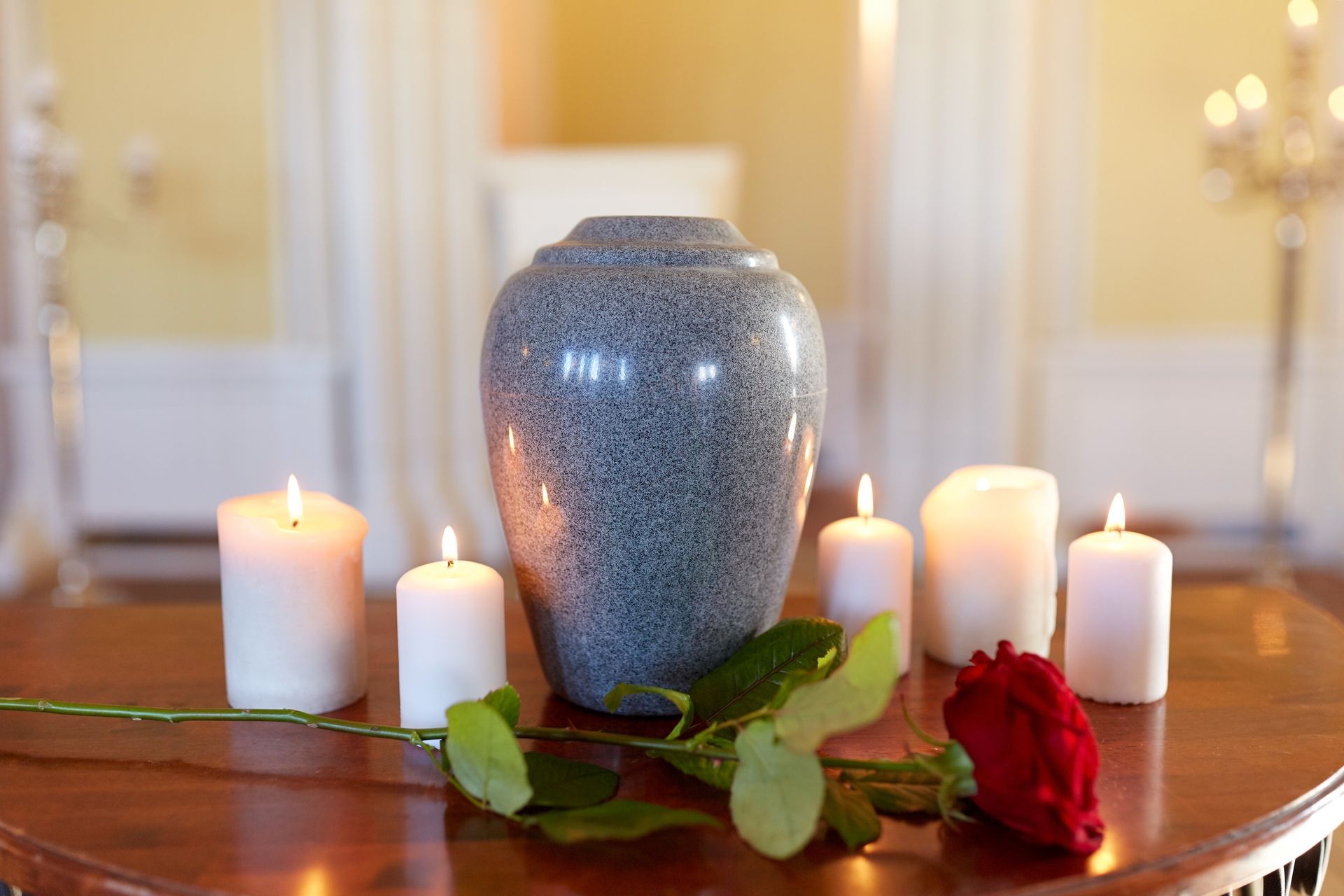
On the other hand, cremation offers a unique level of adaptability. Families can scatter ashes in a meaningful location, keep them in a home urn, or bury them in a smaller niche. This freedom allows for personalized tributes that might not be possible with a standard burial. Whether a family wishes to hold a celebration of life at a park, a beach, or a private home, the cremation route supports a wider variety of venues and styles.
This flexibility extends to the timing of the remembrance as well. Since the remains are portable after traditional cremation services, families can plan a memorial service months after the death, allowing distant relatives to travel and gather without the pressure of an immediate timeline. This extended window can be incredibly valuable for families who need more time to heal or organize travel plans. It transforms the memorial from a rushed obligation into a carefully planned event that truly reflects the personality and life of the departed.
4. Cultural and Religious Significance
Cultural heritage and religious beliefs play a pivotal role in shaping these decisions. Some faiths have specific mandates regarding the treatment of the body, requiring burial within a certain timeframe or prohibiting cremation entirely. Others view cremation as a sacred return to the elements. It is essential to consult with spiritual leaders or cultural advisors to ensure the chosen method aligns with these traditions. For many in the community, the decision is not merely practical but deeply spiritual. Understanding these nuances ensures that the final rites respect the deceased's background and provide comfort to those grieving.
In some cultures, the connection to the earth is paramount, making burial the only acceptable option to ensure the soul's journey continues properly. In others, the separation of the spirit from the body is facilitated through fire, making traditional cremation service the preferred spiritual pathway. Ignoring these deep-seated beliefs can lead to regret or a sense of incompleteness in the mourning process. Therefore, taking the time to research and discuss these spiritual requirements with family members and religious authorities is a crucial step in honoring the legacy of the loved one.
5. Making the Right Choice for Your Family
Ultimately, there is no single correct answer for every family. The decision depends on personal preferences, financial realities, and the specific wishes of the departed. Some families prioritize the permanence of a physical gravesite, while others value the mobility and simplicity of traditional cremation services. Taking the time to discuss these options openly can alleviate anxiety and lead to a more unified decision. If you are navigating these choices in Orange County, know that professional guidance is available to help clarify your options without pressure. It is important to remember that both paths offer valid ways to honor a life lived, and the "right" choice is simply the one that brings the most peace to those left behind.
Contact Our Team for Personalized Guidance
At Accord Cremation And Burial Services, we understand that every family has unique needs and stories. Although our facility is located in Brea, we proudly serve families throughout Greater Southern California, and the surrounding areas with compassion and expertise. Whether you are considering traditional cremation services or exploring other arrangements, our team, serving the community of Greater Southern California, is here to walk you through every step of the process. We are dedicated to providing clear, honest information so you can make informed decisions during this challenging time. Please call us today at (800) 843-0995 to discuss your options and receive the support you deserve.
What Makes a Cremation Service in Anaheim, CA Truly Compassionate? Key Questions Families Should Ask